Your quick guide to the Twelve Apostles on the Great Ocean Road

hero media
Discover everything you need to know about the Twelve Apostles before your next trip on the Great Ocean Road.

A rare geological phenomenon that has inspired awe and wonder for generations, the Great Ocean Road’s Twelve Apostles are one of Australia’s most well-known and visited attractions.

A true highlight of a drive along the Great Ocean Road, seeing the monumental rock formations known as the Twelve Apostles is one of those travel ‘must-dos’ that you genuine must do. Standing on the windswept coast of Victoria to take in the extraordinary sight of these ancient landmarks that rise stoically out of the Southern Ocean is worth the 4.5-hour drive along the Great Ocean Road from Melbourne.

Whether you see them at sunrise, dusk or in the middle of the day, you’ll be glad you travelled to see what all the fuss is about. Read on to find out how to make it happen.

What are the Twelve Apostles

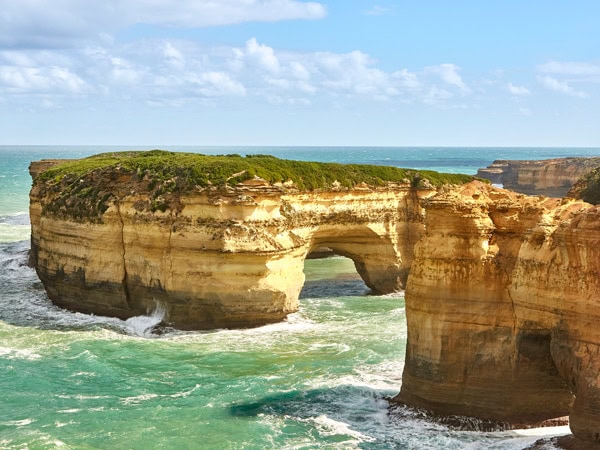
The Twelve Apostles are an offshore collection of limestone stacks along the Great Ocean Road. Estimated to be around 20 million years old, this sculpted coastline originated when billions of tiny marine skeletons accumulated on the ocean floor, gradually creating limestone formations. As the ocean retreated, the cliffs were exposed above the sea level.
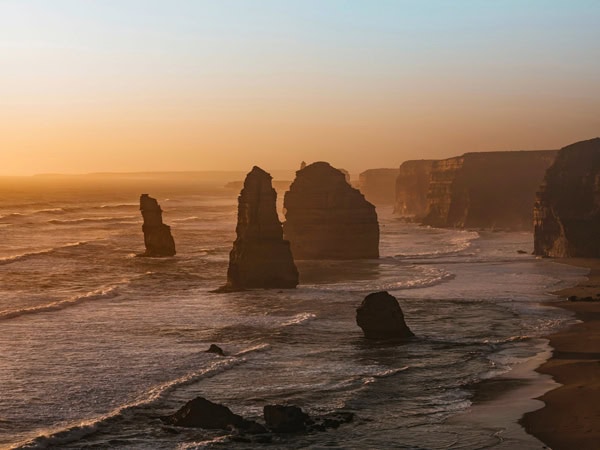
Twelve Apostles in Australia at sunset
The limestone stacks have been shaped over millions of years. (Image: Visit Victoria)

The wild and wilful Southern Ocean gradually eroded the softer limestone, forming caves in the cliffs, which eventually became arches. When they collapsed, rock islands up to 65 metres high were left isolated from the shore. This process also created a host of other natural features including Pudding Basin Rock, Elephant Rock, Mutton Bird Island, Thunder Cave, Bakers Oven, London Bridge and the Grotto.
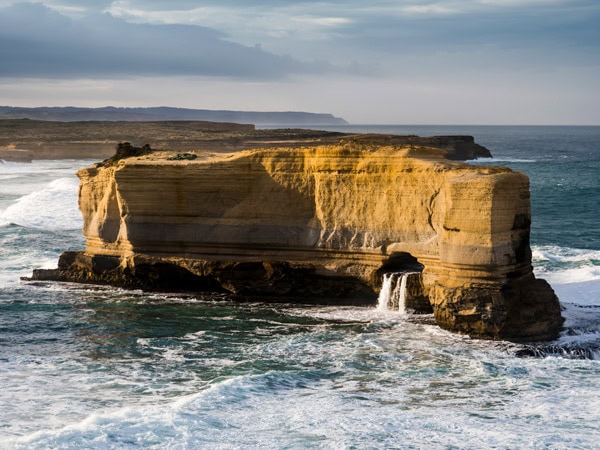
The Baker's Oven in Twelve Apostles, Great Ocean Road
The Baker’s Oven is known for its unique landscape. (Image: Visit Victoria)

Where are the Twelve Apostles

Located on Australia’s southern coastline in the Port Campbell National Park, Victoria, the Twelve Apostles are a popular stop on the iconic Great Ocean Road drive. Just 10 minutes from the town of Port Campbell, if you are driving you will need to park at the dedicated Twelve Apostles carpark and walk to the lookout by following the signs along the path.
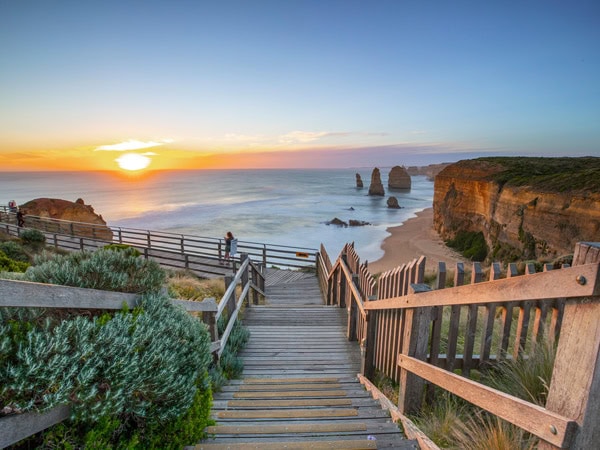
a staircase leading to the lookout of the Twelve Apostles at sunset
Walk to the lookout for a better view of the Twelve Apostles. (Image: Visit Victoria)

This is a somewhat isolated location, so come prepared with everything you need. However, there is toilet access and a kiosk here open 7 days a week during the day, offering hot and cold drinks and souvenirs to take home. Otherwise, bring your own snacks or stop in Port Campbell for lunch.
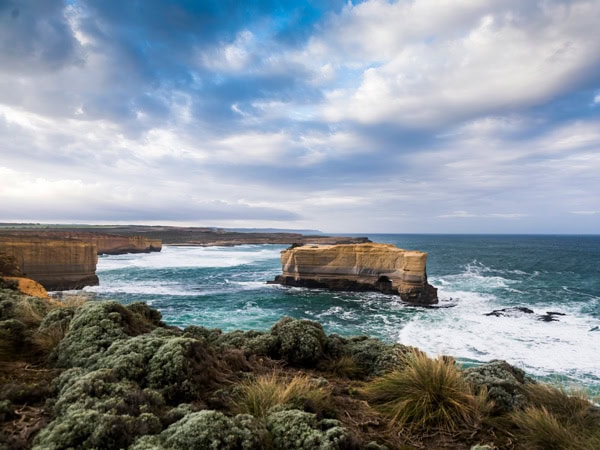
an aerial view of The Baker's Oven in Twelve Apostles, Great Ocean Road
See other notable features of the rock islands, including the Baker’s Oven. (Image: Visit Victoria)

Need tips, more detail or itinerary ideas tailored to you? Ask AT.

AI Prompt

History of the Twelve Apostles

Until the 1960s the formations were called the Sow and Pigs – Mutton Bird Island being the sow and the stacks the piglets. Then, in a flash of marketing brilliance, they were renamed the Apostles. By some divine intervention, the name soon evolved into the Twelve Apostles – even though you could only see nine at the time.
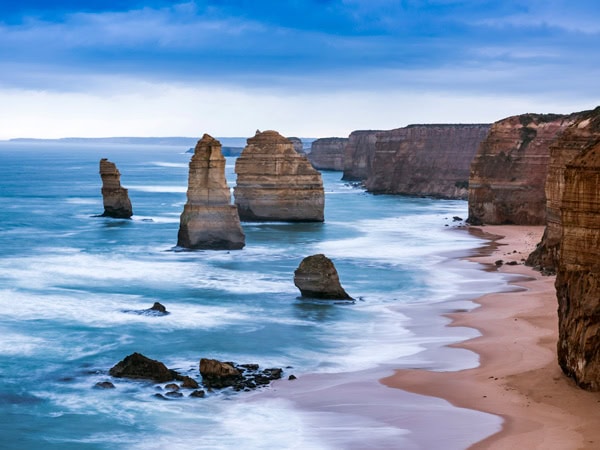
the Twelve Apostles in winter
In winter, the otherworldy landscape is nothing short of spectacular. (Image: Visit Victoria)

But how many you can count depends on where you stand and what you include. There are actually as many as 30 stacks stretched along the coast, but not all are visible from the viewing areas. It’s a work in progress.
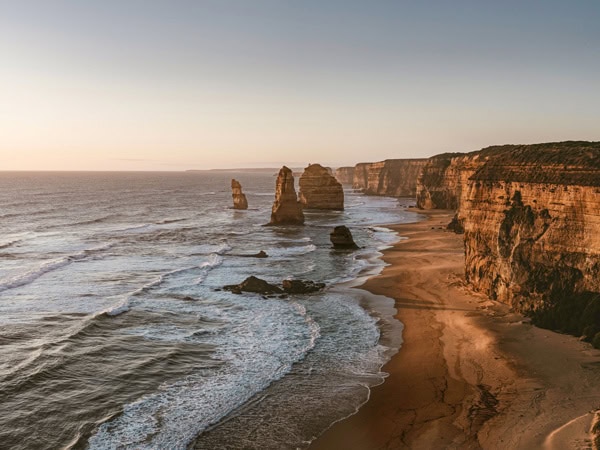
the limestone stacks of Twelve Apostles from above
These magnificent stacks are stretched along the coast. (Image: Visit Victoria)

In 2005, one of the Apostles had its last supper. Onlookers reported that the stack shuddered, fractured and then slid into the ocean. The Twelfth Apostle (known as Judas) went from a magnificent 50-metre stack to a pile of rubble in seconds. Then in 2009, another rock came crumbling down. Although not as dramatic an exit as the Judas, this small formation eroded due to weather conditions. Located out the back near Razorback Lookout, this was the most recent Apostle to have fallen.
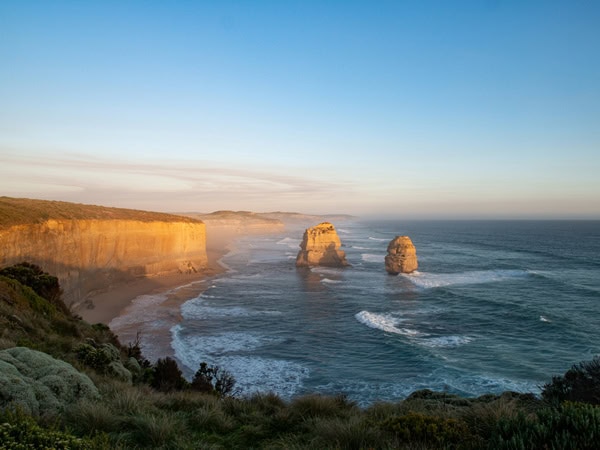
Twelve Apostles at sunset
Witness the breathtaking beauty of the Twelve Apostles. (Image: Visit Victoria)

Getting to the Twelve Apostles

If you’re located in Geelong, lucky you! You’ve only got a 2-hour road trip ahead. Travelling from Melbourne? You’ve got a 3-hour drive inland to reach the rocks. If you’re willing to tack on another hour to the journey, take the Great Ocean Road for some spectacular scenic views.
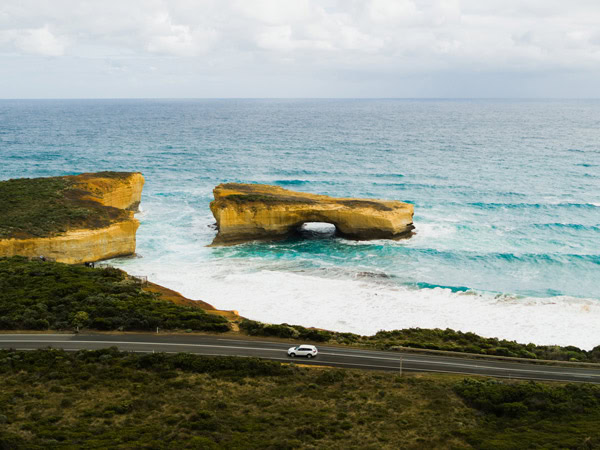
an aerial view of a car passing by the London Bridge, Great Ocean Road
The Twelve Apostles are a popular stop on the iconic Great Ocean Road. (Image: Visit Victoria)

A 10-minute drive from Port Campbell, you will need to park at the dedicated Twelve Apostles carpark and walk to one of the lookouts which can be accessed via a signed pathway. If you’re using a pram or wheelchair follow the signs to access the lower viewing platform.
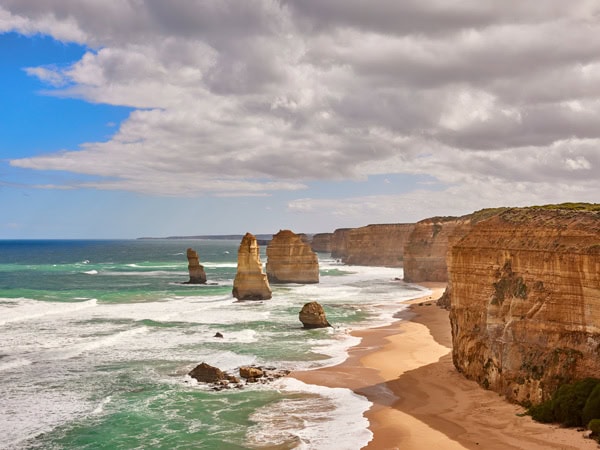
a scenic landscape of the Twelve Apostles, Great Ocean Road
Take the Great Ocean Road for some spectacular scenic views. (Image: Visit Victoria)

Depending on where you’re located, day tour packages to the Twelve Apostles are a great option if you don’t drive or just prefer sitting back and relaxing instead of downloading directions.
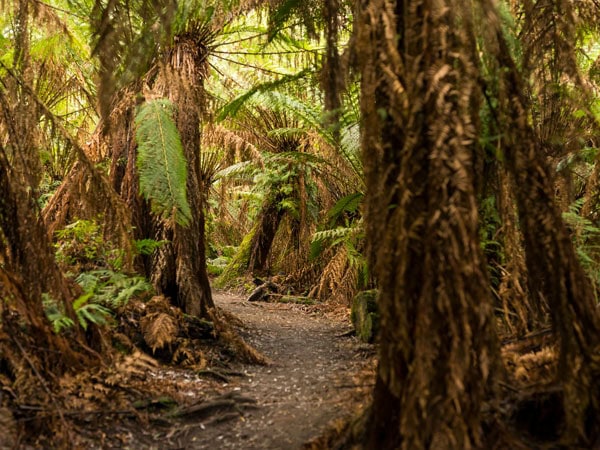
the eucalypt trees at Otway Rainforest, Great Ocean Road
Stop by the ancient Otway Rainforest. (Image: Visit Victoria)

Sightseeing Tours Australia offers a day trip to the Great Ocean Road and the Twelve Apostles. With CBD and St Kilda pick-ups, this bus will take you along the breathtaking coastline, stopping at popular beaches, seaside towns, the Otway Rainforest (with the tallest eucalyptus trees in Australia) and of course, the Twelve Apostles before you are whisked back to Melbourne. It’s a big day filled with blockbuster sights – a great option if you’re short on time or prefer not to drive.
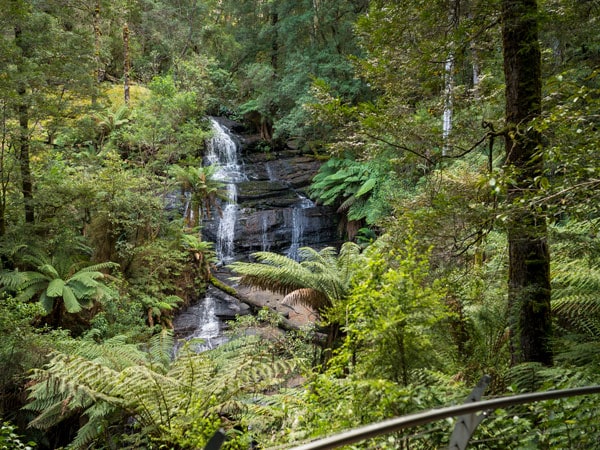
the Triplet Falls in the Great Otway National Park
Spot the stunning cascades of the Triplet Falls in the Great Otway National Park. (Image: Visit Victoria)

Weekly travel news, experiences
insider tips, offers, and more.

Other ways to experience the Twelve Apostles

If you’re up for an adventure, there are also guided walking tours that head out to the landmark. Book in with the Aus Walking Co. and you’ll get to enjoy a 4-day, immersive walks along the coast, bedding down in a private eco-lodge each night. If you feel comfortable walking up to 7 hours in a day, then you won’t want to do this trip any other way.
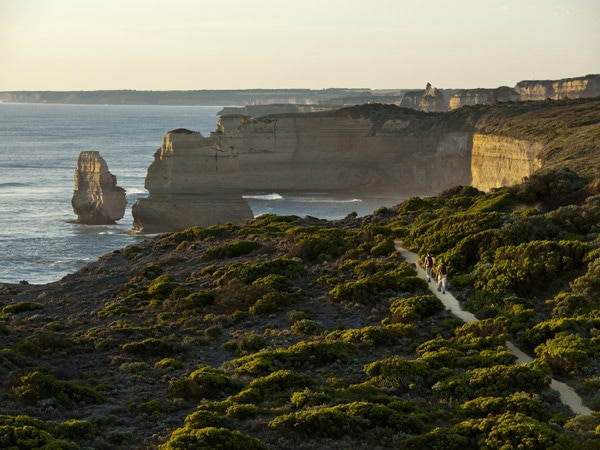
the Great Ocean Walk
Take an mmersive walk along the coast. (Image: Visit Victoria)

Prefer to walk and camp without a guide? Great Ocean Road Shuttles offers camping assistance (food and water drops, luggage transfers), camping gear hire and a shuttle service to support your journey.
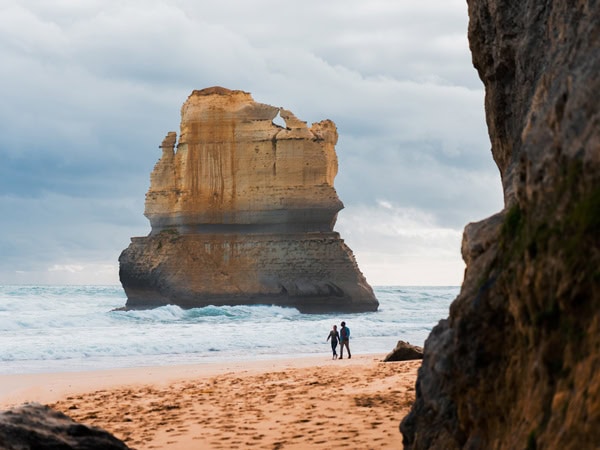
Twelve Apostles from Gibson Beach
Head to Gibson Beach to see the stacks from a different perspective. (Image: Visit Victoria)

If you want to make the most of this experience and don’t mind splashing a bit of cash, then book yourself in for a scenic flight with 12 Apostles Helicopters to take in the famous landmark from above.
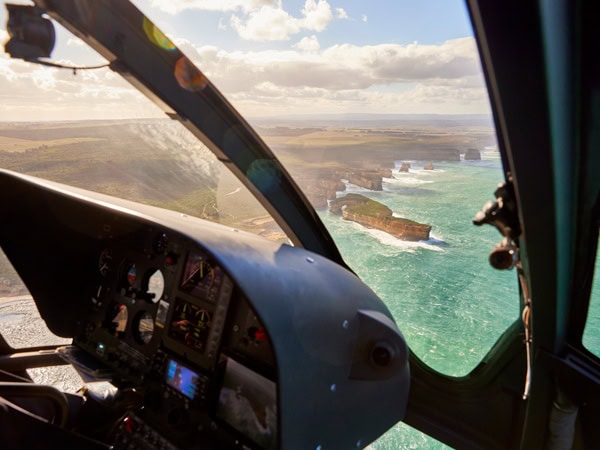
a scenic flight above the Twelve Apostles, Great Ocean Road
Take in the beauty of the rock formations from above. (Image: Visit Victoria)

In just 15 minutes of flight time you’ll be able to see the Twelve Apostles, Loch Ard Gorge, The Sentinel, The Arch and London Bridge from a point of view you’ll never forget.
the London Bridge from above on a scenic flight with 12 Apostles Helicopters
Capture the London Bridge on a scenic flight with 12 Apostles Helicopters. (Image: Visit Victoria)
Discover our guide to the Great Ocean Road.

Want to see more stories from Australian Traveller in your Google search results?

  1. Click here to set Australian Traveller as a preferred source.
  2. Tick the box next to "Australian Traveller". That's it.
Jo Stewart
Jo Stewart is a freelance features writer who pens stories about nature, pop culture, music, art, design and more from her home in the Macedon Ranges of Victoria. When not writing, you can find her trawling through vinyl records and vintage fashion at op shops, antique stores and garage sales.
View profile and articles
hero media

Farm fresh produce to a trail of lights: the ultimate guide to Mildura

    Rachel Lay Rachel Lay
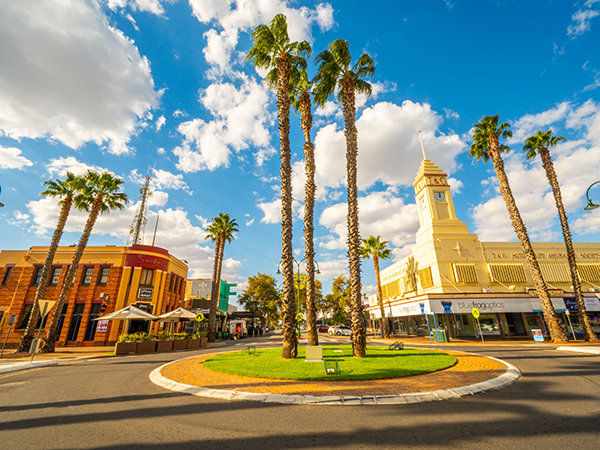
    The charm of Mildura is hidden in plain sight along the Sturt Highway. The capital of Tropical North Victoria is in a league of its own.

    From the moment you arrive in Mildura, the warm air and palm trees invite you to slow down. While most Australians might drive right past it, Mildura is full of surprises. Here you’ll spend one day witnessing over 50,000 years of First Nations history in a UNESCO-listed National Park, and the next dining in a hatted restaurant after wandering through 12,500 fireflies as the outback sunset bursts to life above. From roadside fruit stalls and family-run wineries to houseboats and galleries, it’s time to explore Mildura.

    Feast Street, at the heart of Langtree Avenue in Mildura.
    Taste, wander and be surprised in Mildura.

    Taste Mildura’s produce

    It makes sense to start your trip by addressing the most important question: where to eat. In the beating heart of Australia’s food bowl, sample the local produce directly from the source. And then, of course, experience it through the menu of a hatted chef. Or sandwiched between pillowy slices of Nonna’s ciabatta.

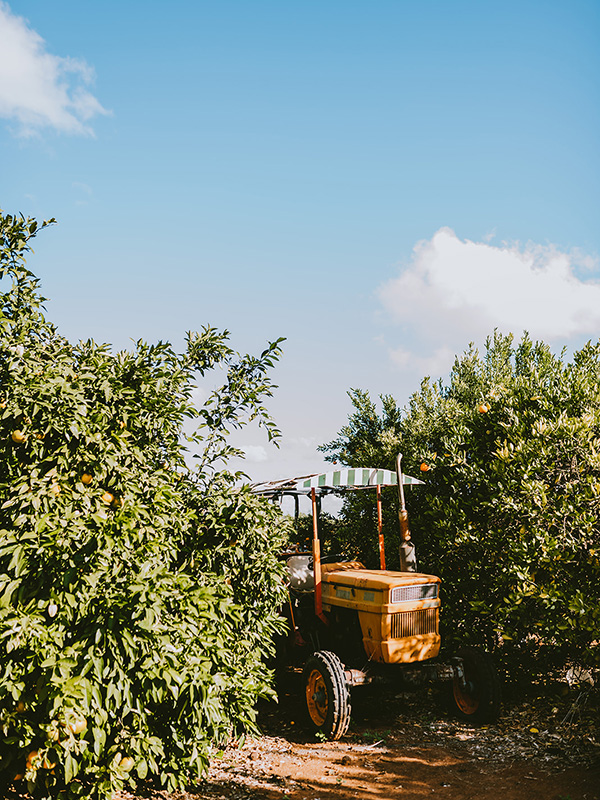
    Rows of orchards and olive groves invite you to spend the day traipsing from farm to farm. Taste olives propagated from Calabrian trees brought over in the 40s, oranges picked right from the tree and squeezed into juice and spoons full of honey. Bring the holiday back to your kitchen by stocking your pantry at roadside produce stalls, or calling into the ‘silver shed’ (Sunraysia’s gourmand Mecca).

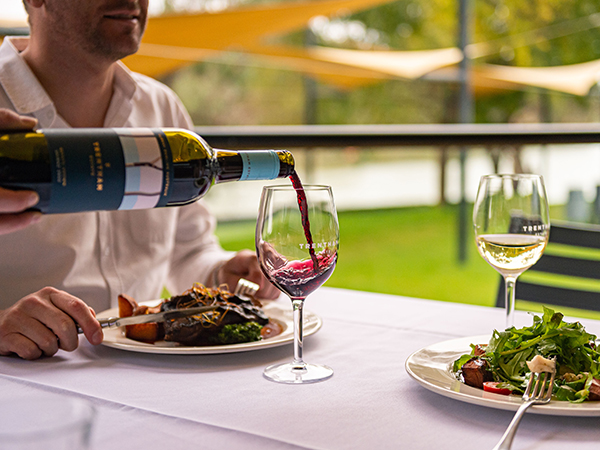
    Thanks to the warm, balmy air and fertile soils, the wineries dotted along these hills produce award-winning local wines. Like Chalmers, a family-run, innovative winery dedicated to making their wines as sustainable as possible. And picturesque Trentham Estate offers views of the snaking Murray River as you sample their vintages.

    Venture beyond the gnarled shadows of olive groves and fragrant rows of blossoming fruit trees and you’ll find an otherworldly side to Mildura. With Discover Mildura as your guide, visit Murray River Salt’s Mars-like stacks. The naturally pink salt is formed from an ancient inland sea and evaporated entirely by the sun to create one of the region’s most iconic exports.

    Start your day with just-squeezed sunshine.

    Hatted dining & Italian history

    Mildura is home to a proud community of Calabrians and Sicilians. This, paired with the exceptional local produce, means that you can find paninos on par with those in Italy. The Italian is a Paninoteca serving up made-to-order, hefty, authentic Sicilian paninos. Nonna Rosa’s pork meatballs, slowly cooked in tomato ragu and served in a crusty, fluffy roll topped with gratings of Grana Padano cheese and salsa verde, will call you back to Mildura for the rest of your days.

    To find hatted dining in Mildura, simply follow the staircase down into the basement of the historic Mildura Grand Hotel to find Stefano’s. Following the muscle memory and instinct of his Italian roots, he delivers on the principle of ‘cucina povera’. That is, the Italian cooking ideology that turns simple, local ingredients into magic.

    Things to do in Mildura include dining at the acclaimed Stefano’s, where simple local ingredients are transformed into Italian culinary magic beneath the historic Grand Hotel.
    Bite into Mildura’s Italian heritage.

    Discover a thriving culture scene

    The city is alive with culture. Whether it’s painted on the town’s walls, told in ancient yarns, or waiting for you in a gallery.

    The Mildura Arts Centre was Australia’s first regional art gallery. Behind the walls of Rio Vista Historic House, you’ll find a lineup of ever-changing exhibitions. The gallery’s wall space pays tribute to the art and songlines of local First Nations People, the region’s awe-inspiring landscapes and more. Outside, on the gallery’s lawn, find 12 contemporary sculptures in the Sculpture Park.

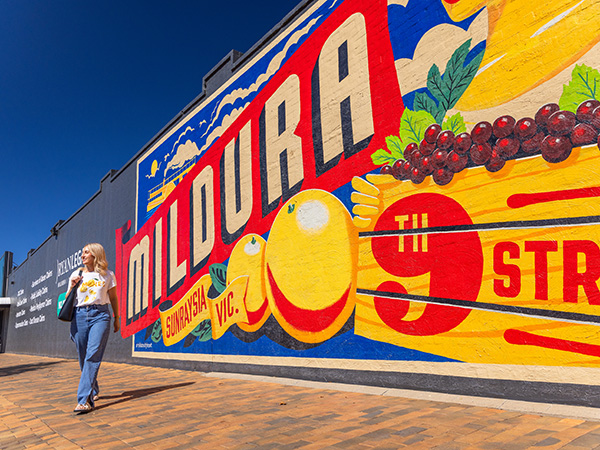
    Mildura’s streetscapes are a punch of colour. Swirling strokes of paint blend the winding artery of the Murray River, red dirt and local characters into a story you can see with your own eyes, thanks to the Mildura City Heart’s Mural Art Project. Pick up a copy of the Murals of Mildura guide from the Visitor Information Centre.

    Follow the border of NSW and Victoria on a map and you’ll see it hugs the curves of a tiny island on the Murray. That’s Lock Island, where, as the sun and moon trade places, the island comes alive as darkness falls. The island is dotted with 12,500 firefly lights that lead you on a meandering path through the outback sunset. The installation is known as Trail of Lights and was created by the same visionary who dreamt up Field of Light at Uluṟu, Bruce Munro.

    Things to do in Mildura include exploring its rich cultural scene. From vibrant street art and ancient stories to exhibitions at the Mildura Arts Centre, Australia’s first regional gallery.
    Find culture around every corner.

    Wonder at ancient landscapes

    The landscapes of Mildura feel almost transcendental. The skyline bursts to life with reds, pinks, and deep, sparkly night skies.

    The nature will leave you in awe. See hues of pink water changing with the weather at Pink Lakes inside Victoria’s largest national park, Murray Sunset National Oark. Cast a line into Ouyen Lake. Watch the sunset against 70-metre tall red cliffs that reflect the setting sun. Or get the heart racing and sandboard down the Perry Sandhills dunes, formed 40,000 years ago at the end of an ice age.

    Just don’t leave without following the twists and turns of the Murray. Stroll or ride along the Shared River Front Path, or jump onboard a boat for a scenic ride.

    Your itinerary will be incomplete without a visit to UNESCO World Heritage-listed Mungo National Park. Head out with an Indigenous ranger to witness ancient campsites and footprints, before standing in awe of ancient civilisation near the discovery site of Mungo Man—Australia’s oldest human skeleton at 42,000 years old.

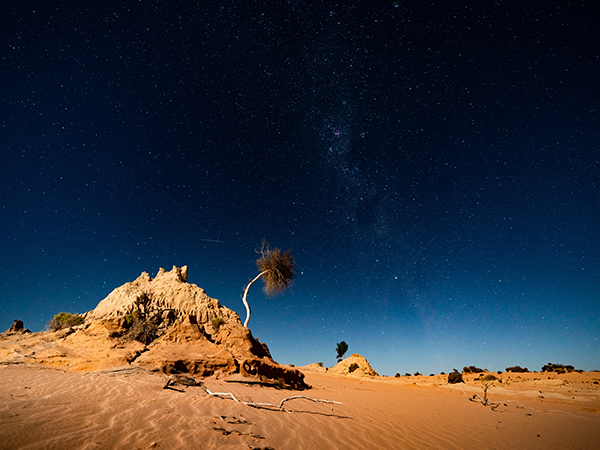
    Mungo National Park at night is a vast, silent landscape where ancient dunes glow under moonlight and stars blanket the sky in breathtaking clarity.
    Walk in the footsteps of ancient civilisation.

    Meet your home away from home

    On equal par with planning your meals and adventures, is finding the perfect place to relax at the end of each day.

    Sleep inside a Palm Springs postcard at Kar-Rama. A sleek boutique hotel complete with a butterfly shaped, sun-soaked pool. Here you’re staying right in the heart of Mildura but you’ll feel worlds away. Or if you really wish to connect with nature, a night glamping under the stars at Outback Almonds will have you spellbound.

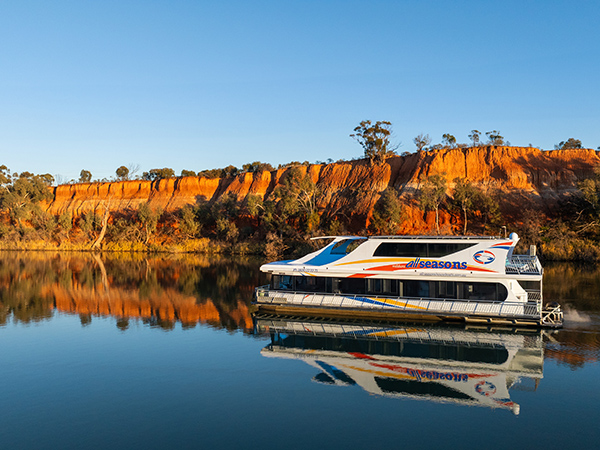
    When in Mildura it’s only right to stay on one of the Murray River’s iconic houseboats. Wake up each day to the calm waters of the Murray lapping outside your window. Enjoy days full of river swims, fishing and exploring. All boats are solar-powered and can be self-skippered or moored along the river.

    A solar-powered houseboat on the Murray River in Mildura.
    Stay and play on the Murray in a solar houseboat.

    Start planning the perfect getaway at mildura.com.

    The Twelve Apostles in Australia - Your Ultimate Guide | Australian Traveller