6 must-see natural attractions in Geelong and the Bellarine Peninsula

hero media
From scuba diving an aquatic playground so biodiverse it rivals even the Great Barrier Reef, through to hitting the trails of a national park that boasts the state’s richest wildflower habitat, these six natural attractions offer more than enough reason to visit Geelong and the Bellarine Peninsula.

1. Brisbane Ranges National Park

Abundant with native flora and fauna and located some 50 kilometres north-west of Geelong, Brisbane Ranges National Park is popular with hikers and birdwatchers alike. Hit one of its many walking trails and you’re sure to encounter a bird or two and likely even a koala; up to 180 species of birds frequent the park, which is also home to the greatest density of koalas in Victoria.
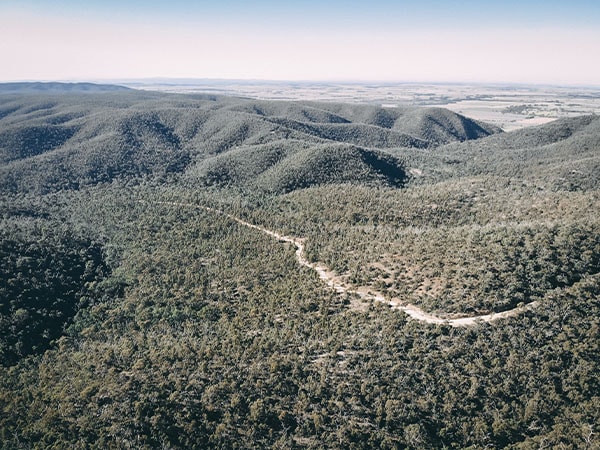
Moorabool Valley, Brisbane Ranges National Park, Geelong and the Bellarine Peninsula, VIC, Australia
Hit one of its many walking trails and you’re sure to encounter a bird or two. (Image: Megan Winden)

Come spring, this hinterland pocket is awash with wildflowers (you’ll find more here than anywhere else in the state). Explore the sharp rocky cliffs and gullies, populated with rare wattles, grevilleas, gum trees and bush peas, and soak up the serenity.
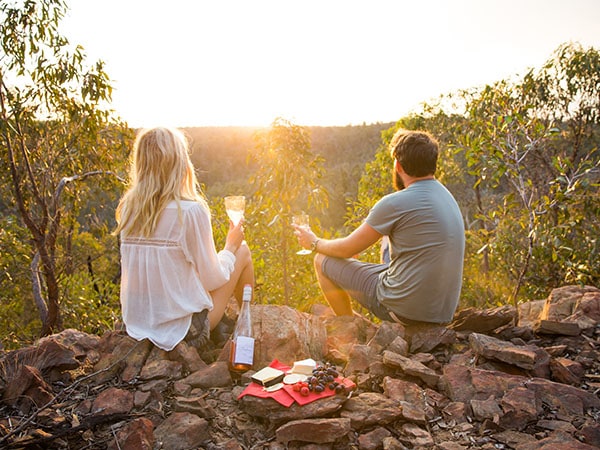
Brisbane Ranges National Park, Geelong & The Bellarine, VIC, Australia
Bring your loved ones to witness the abundant native flora and fauna in Geelong. (Image: Visit Geelong & The Bellarine)

2. Port Phillip Heads Marine National Park, Point Lonsdale

Situated at the mouth of Port Phillip Bay, not far from the urban sprawl of Melbourne, Geelong and the two peninsulas that flank it, you’d be forgiven for assuming these waters wouldn’t promise much of interest. In fact, that couldn’t be further from the truth.
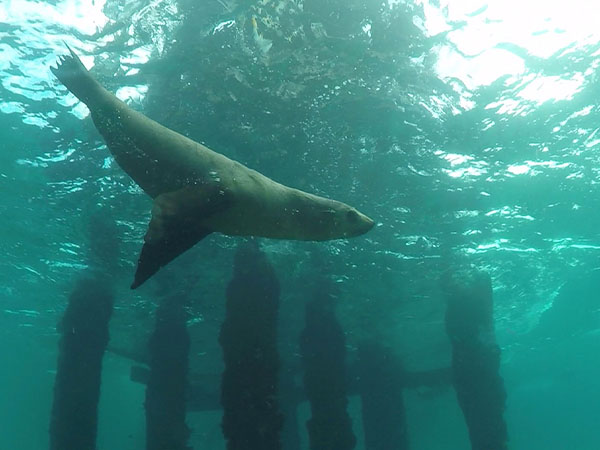
Underwater life, Geelong & The Bellarine Peninsula, VIC, Australia
Snorkel or scuba dive and you’ll uncover waters teeming with life. (Image: Visit Geelong & The Bellarine)

Above water, explore the Ramsar Convention-listed wetland of Swan Bay, a habitat that supports nearly 200 bird species. Each summer, some 10,000 migratory waders, such as plovers and curlews, call these intertidal mudflats home. There are also sizable rock pools to investigate at Point Lonsdale during low tide, plus reef breaks to surf and crystalline waters to swim in.

The surprises keep coming underwater. Not only are there more than 30 shipwrecks to dive, but the variety of marine life that inhabits the Port Phillip Heads Marine National Park is so vast it’s said to rival that of the Great Barrier Reef. Go scuba diving and you’ll uncover kaleidoscopic sponge gardens and soft corals, thick forests of kelp and huge seagrass beds, all teeming with life. Take a dive at the reefs of Pope’s Eye or Lonsdale Wall and you might spy nudibranchs, Gulf wobbegongs, or shoals of western blue devils, leather jackets, dusky morwongs, giant Australian cuttlefish and southern hulafish, to name but a few.

Need tips, more detail or itinerary ideas tailored to you? Ask AT.

AI Prompt

3. Barwon River

Originating in the Otway Ranges, and meandering east through Forrest and Birregurra before joining the Moorabool River in Geelong and entering the sea at Barwon Heads, this 160-kilometre-long river is located on Wadawurrung country. It was once a rich source of food for the Aboriginal community, who would catch eels and fish for trout and perch off its banks.
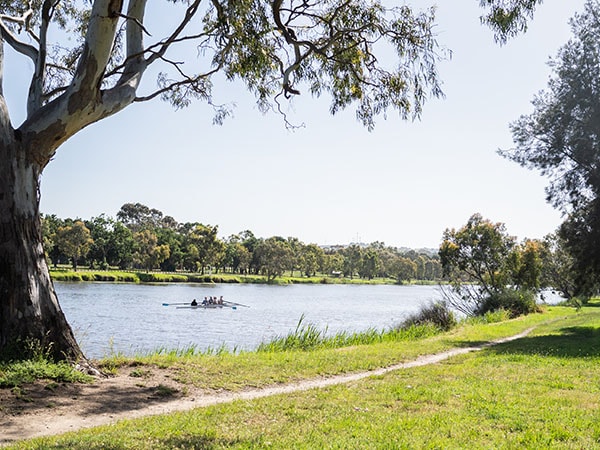
Barwon River, South Geelong, Victoria, Australia
Trace this waterway from start to finish and you’d find a plethora of native vegetation lining its banks, making it a dendrophile’s delight. (Image: Visit Geelong Bellarine)

Trace this waterway from start to finish and you’d find a plethora of native vegetation lining its banks, making it a dendrophile’s delight: there are river red gums, Australian blackwoods, silver wattles, woolly tea trees, drooping sheoaks, and even the nation’s floral emblem, the golden wattle. Wildlife also finds refuge in the river and on its banks, from the elusive nankeen night heron and platypus to swamp wallabies and native water rats.
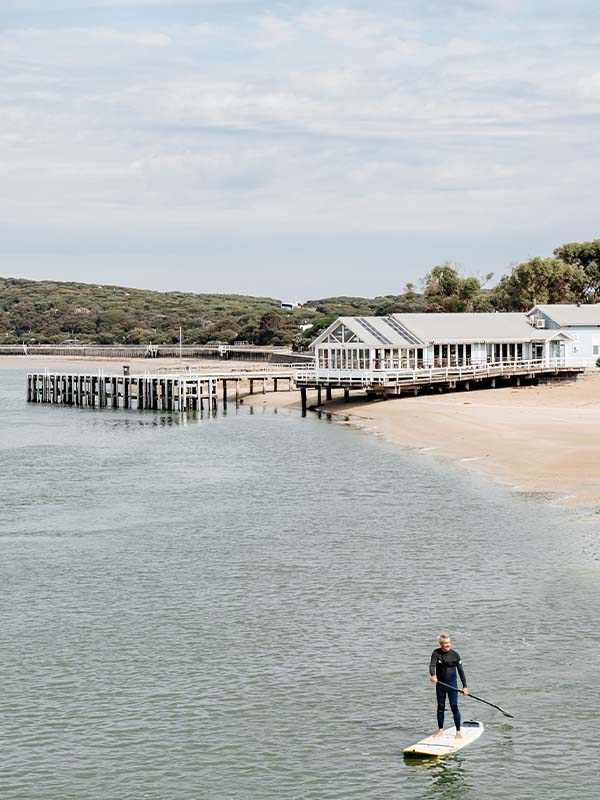
Paddle boarding at the Barwon River, Geelong, VIC, Australia
Go paddle boarding on Barwon River. (Image: Visit Geelong & The Bellarine)

Geelong is home to a number of peaceful parks and reserves that capitalise on the river’s beauty and natural features, such as Buckley Falls, Fyansford Common and Zillah Crawcour Park. The riverside Balyang Sanctuary is arguably the pick of the bunch; once a swamp, this park now encompasses nine hectares of lake and native bushland, often visited by pelicans, pied cormorants and Eurasian coots.
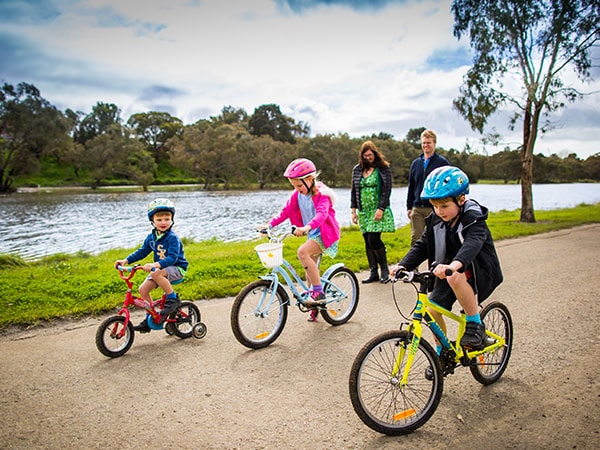
Children riding bikes at Barwon River and Park, Victoria, Australia
Geelong is home to a number of peaceful parks and reserves that capitalise on the river’s beauty and natural features. (Image: Visit Victoria)

4. Geelong Botanic Gardens, Geelong

The city’s green lung, Geelong Botanic Gardens has been going strong since 1851. Not only is it home to your more typical botanic garden fare – from rose gardens to plentiful lawns fit for picnicking, and a conservatory that houses a collection of tropical plants – it’s also home to more than a dozen ‘heritage’ trees.
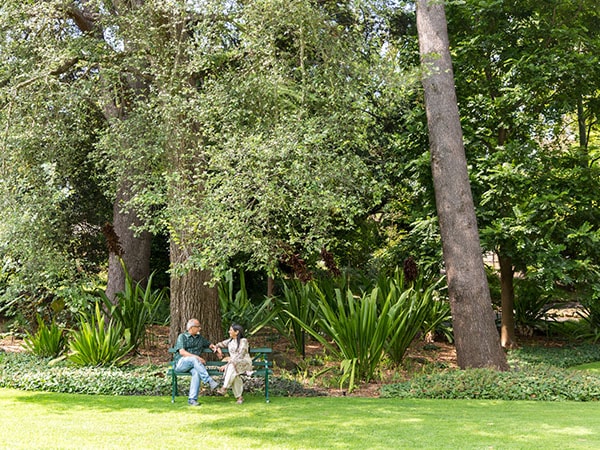
Geelong Botanic Gardens, VIC, Australia
Geelong Botanic Gardens is known as the city’s green lung. (Image: Visit Geelong & The Bellarine)

These specimens are so important they’re listed on the National Trusts of Australia’s Register of Significant Trees, and they include a positively huge Chilean wine palm and a maidenhair tree native to China.
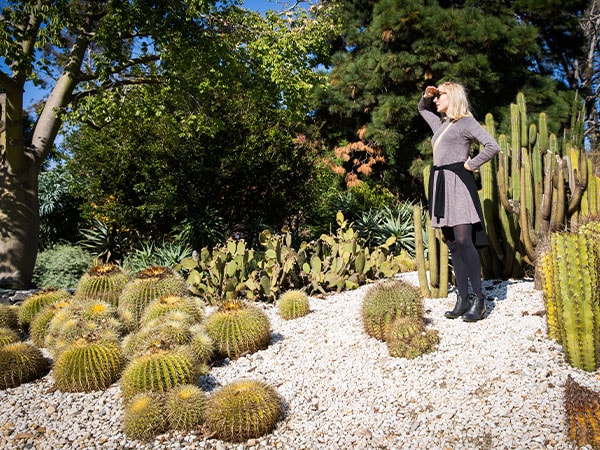
Geelong Botanic Gardens, VIC, Australia
See the home to more than a dozen ‘heritage’ trees. (Image: Visit Geelong & The Bellarine)

Weekly travel news, experiences
insider tips, offers, and more.

5. You Yangs Regional Park

The granite peaks of this mountain range rise just 320 metres high, but they cut a striking silhouette against the pancake-flat Werribee Plain.
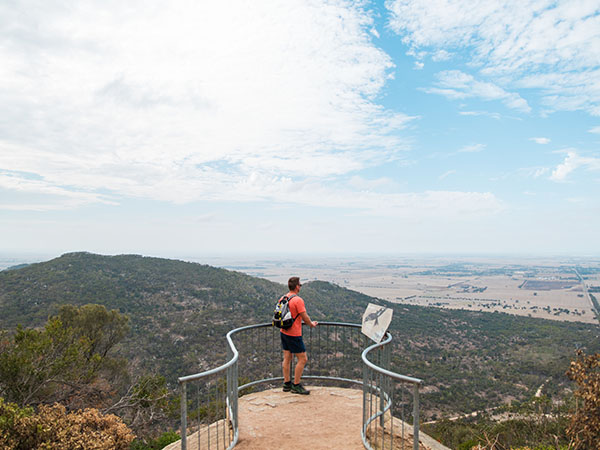
You Yangs Regional Park, Geelong & The Bellarine Peninsula, VIC, Australia
Whip out your binoculars, as there’s a wealth of birdlife to spy. (Image: Visit Victoria)

Whip out your binoculars, as there’s a wealth of birdlife to spy among the You Yangs Regional Park’s scrub and gum tree-flecked slopes. From the park’s summit you can also gorge on sweeping views of the surrounding countryside.
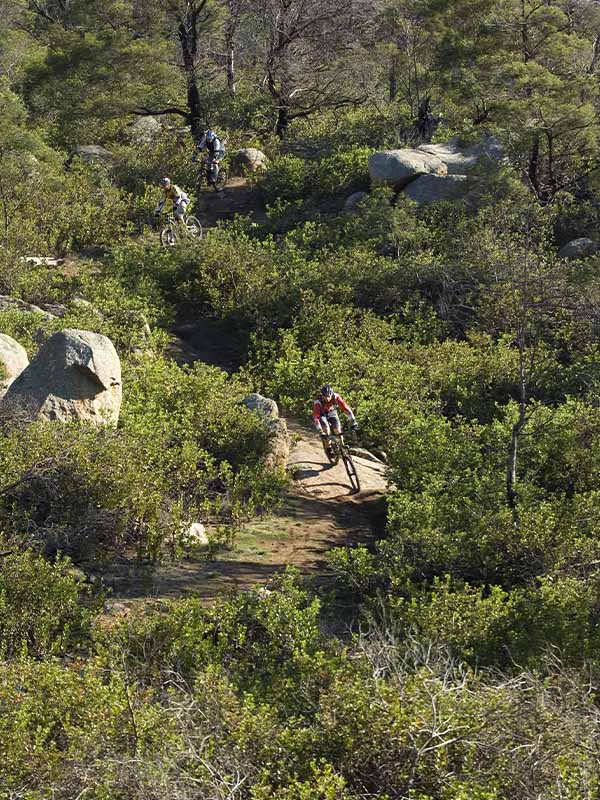
You Yangs Regional Park, Geelong & The Bellarine Peninsula, VIC, Australia
The You Yangs is fantastic mountain biking terrain. (Image: Visit Victoria)

6. Serendip Sanctuary, Lara

A haven for all manner of creatures big and small, Serendip Sanctuary is ground zero for animal lovers. Run by Parks Victoria, the sanctuary is located among the open grassy woodlands, marshlands and wetlands of the volcanic Western Plains, and is home to more than 150 animal species, from kangaroos, wallabies and emus to bearded dragons and spotted-tail quolls. Don’t leave without retreating to one of the bird hides to spy on the plethora of birdlife: among the 150 different species that visit this wildlife park, you might see black kites, Cape Barren geese, bush stone-curlews or the endangered masked owl.

Want to see more stories from Australian Traveller in your Google search results?

  1. Click here to set Australian Traveller as a preferred source.
  2. Tick the box next to "Australian Traveller". That's it.
Chloe Cann
Chloe Cann is an award-winning freelance travel and food writer, born in England, based in Melbourne and Roman by adoption. Since honing her skills at City St George's, University of London with a master's degree in journalism, she's been writing almost exclusively about travel for more than a decade, and has worked in-house at newspapers and travel magazines in London, Phnom Penh, Sydney and Melbourne. Through a mixture of work and pleasure, she's been fortunate enough to visit 80 countries to date, though there are many more that she is itching to reach. While the strength of a region's food scene tends to dictate the location of her next trip, she can be equally swayed by the promise of interesting landscapes and offbeat experiences. And with a small person now in tow, travel looks a little different these days, but it remains at the front of her mind.
View profile and articles
hero media

Farm fresh produce to a trail of lights: the ultimate guide to Mildura

    Rachel Lay Rachel Lay
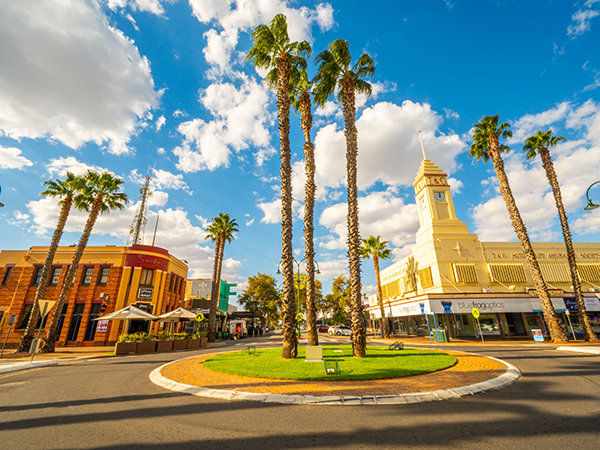
    The charm of Mildura is hidden in plain sight along the Sturt Highway. The capital of Tropical North Victoria is in a league of its own.

    From the moment you arrive in Mildura, the warm air and palm trees invite you to slow down. While most Australians might drive right past it, Mildura is full of surprises. Here you’ll spend one day witnessing over 50,000 years of First Nations history in a UNESCO-listed National Park, and the next dining in a hatted restaurant after wandering through 12,500 fireflies as the outback sunset bursts to life above. From roadside fruit stalls and family-run wineries to houseboats and galleries, it’s time to explore Mildura.

    Feast Street, at the heart of Langtree Avenue in Mildura.
    Taste, wander and be surprised in Mildura.

    Taste Mildura’s produce

    It makes sense to start your trip by addressing the most important question: where to eat. In the beating heart of Australia’s food bowl, sample the local produce directly from the source. And then, of course, experience it through the menu of a hatted chef. Or sandwiched between pillowy slices of Nonna’s ciabatta.

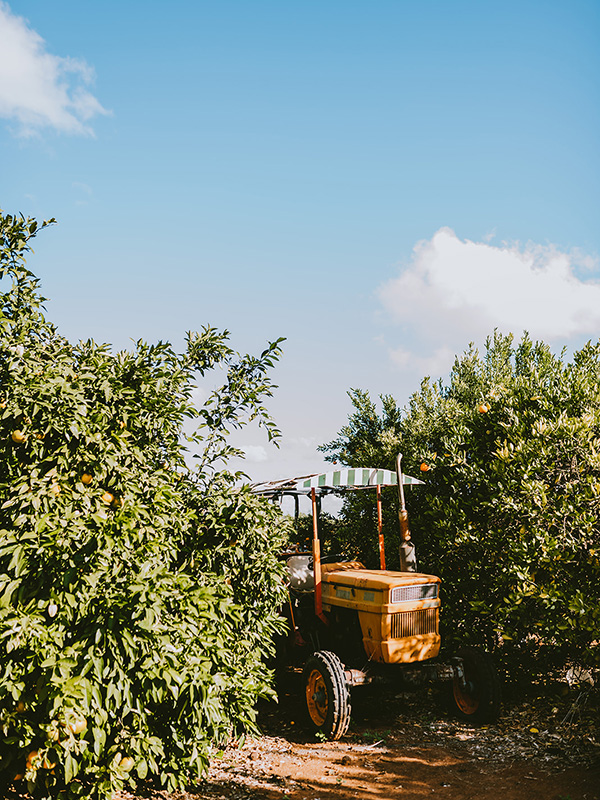
    Rows of orchards and olive groves invite you to spend the day traipsing from farm to farm. Taste olives propagated from Calabrian trees brought over in the 40s, oranges picked right from the tree and squeezed into juice and spoons full of honey. Bring the holiday back to your kitchen by stocking your pantry at roadside produce stalls, or calling into the ‘silver shed’ (Sunraysia’s gourmand Mecca).

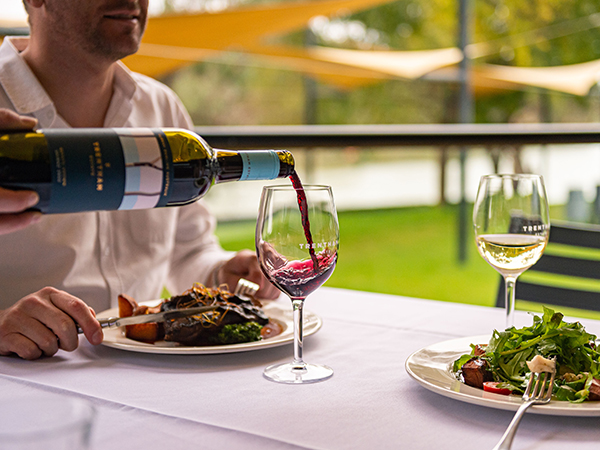
    Thanks to the warm, balmy air and fertile soils, the wineries dotted along these hills produce award-winning local wines. Like Chalmers, a family-run, innovative winery dedicated to making their wines as sustainable as possible. And picturesque Trentham Estate offers views of the snaking Murray River as you sample their vintages.

    Venture beyond the gnarled shadows of olive groves and fragrant rows of blossoming fruit trees and you’ll find an otherworldly side to Mildura. With Discover Mildura as your guide, visit Murray River Salt’s Mars-like stacks. The naturally pink salt is formed from an ancient inland sea and evaporated entirely by the sun to create one of the region’s most iconic exports.

    Start your day with just-squeezed sunshine.

    Hatted dining & Italian history

    Mildura is home to a proud community of Calabrians and Sicilians. This, paired with the exceptional local produce, means that you can find paninos on par with those in Italy. The Italian is a Paninoteca serving up made-to-order, hefty, authentic Sicilian paninos. Nonna Rosa’s pork meatballs, slowly cooked in tomato ragu and served in a crusty, fluffy roll topped with gratings of Grana Padano cheese and salsa verde, will call you back to Mildura for the rest of your days.

    To find hatted dining in Mildura, simply follow the staircase down into the basement of the historic Mildura Grand Hotel to find Stefano’s. Following the muscle memory and instinct of his Italian roots, he delivers on the principle of ‘cucina povera’. That is, the Italian cooking ideology that turns simple, local ingredients into magic.

    Things to do in Mildura include dining at the acclaimed Stefano’s, where simple local ingredients are transformed into Italian culinary magic beneath the historic Grand Hotel.
    Bite into Mildura’s Italian heritage.

    Discover a thriving culture scene

    The city is alive with culture. Whether it’s painted on the town’s walls, told in ancient yarns, or waiting for you in a gallery.

    The Mildura Arts Centre was Australia’s first regional art gallery. Behind the walls of Rio Vista Historic House, you’ll find a lineup of ever-changing exhibitions. The gallery’s wall space pays tribute to the art and songlines of local First Nations People, the region’s awe-inspiring landscapes and more. Outside, on the gallery’s lawn, find 12 contemporary sculptures in the Sculpture Park.

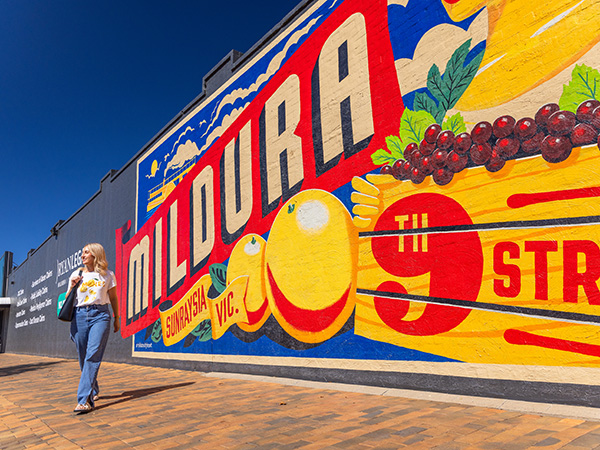
    Mildura’s streetscapes are a punch of colour. Swirling strokes of paint blend the winding artery of the Murray River, red dirt and local characters into a story you can see with your own eyes, thanks to the Mildura City Heart’s Mural Art Project. Pick up a copy of the Murals of Mildura guide from the Visitor Information Centre.

    Follow the border of NSW and Victoria on a map and you’ll see it hugs the curves of a tiny island on the Murray. That’s Lock Island, where, as the sun and moon trade places, the island comes alive as darkness falls. The island is dotted with 12,500 firefly lights that lead you on a meandering path through the outback sunset. The installation is known as Trail of Lights and was created by the same visionary who dreamt up Field of Light at Uluṟu, Bruce Munro.

    Things to do in Mildura include exploring its rich cultural scene. From vibrant street art and ancient stories to exhibitions at the Mildura Arts Centre, Australia’s first regional gallery.
    Find culture around every corner.

    Wonder at ancient landscapes

    The landscapes of Mildura feel almost transcendental. The skyline bursts to life with reds, pinks, and deep, sparkly night skies.

    The nature will leave you in awe. See hues of pink water changing with the weather at Pink Lakes inside Victoria’s largest national park, Murray Sunset National Oark. Cast a line into Ouyen Lake. Watch the sunset against 70-metre tall red cliffs that reflect the setting sun. Or get the heart racing and sandboard down the Perry Sandhills dunes, formed 40,000 years ago at the end of an ice age.

    Just don’t leave without following the twists and turns of the Murray. Stroll or ride along the Shared River Front Path, or jump onboard a boat for a scenic ride.

    Your itinerary will be incomplete without a visit to UNESCO World Heritage-listed Mungo National Park. Head out with an Indigenous ranger to witness ancient campsites and footprints, before standing in awe of ancient civilisation near the discovery site of Mungo Man—Australia’s oldest human skeleton at 42,000 years old.

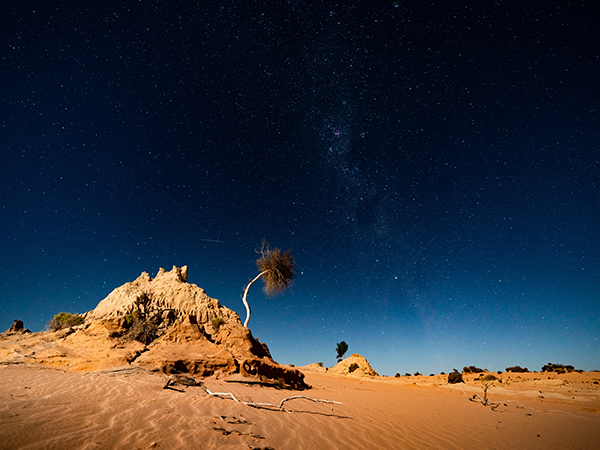
    Mungo National Park at night is a vast, silent landscape where ancient dunes glow under moonlight and stars blanket the sky in breathtaking clarity.
    Walk in the footsteps of ancient civilisation.

    Meet your home away from home

    On equal par with planning your meals and adventures, is finding the perfect place to relax at the end of each day.

    Sleep inside a Palm Springs postcard at Kar-Rama. A sleek boutique hotel complete with a butterfly shaped, sun-soaked pool. Here you’re staying right in the heart of Mildura but you’ll feel worlds away. Or if you really wish to connect with nature, a night glamping under the stars at Outback Almonds will have you spellbound.

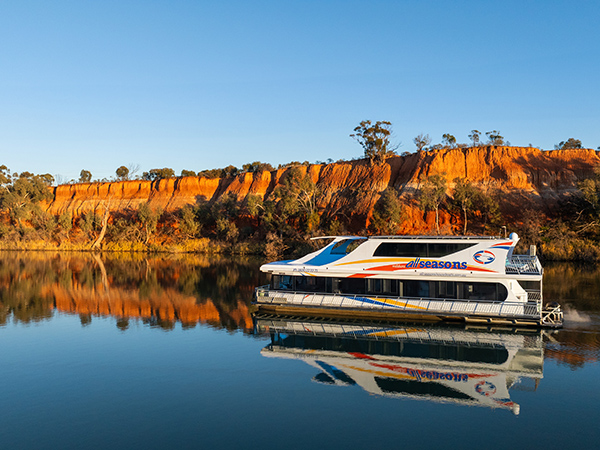
    When in Mildura it’s only right to stay on one of the Murray River’s iconic houseboats. Wake up each day to the calm waters of the Murray lapping outside your window. Enjoy days full of river swims, fishing and exploring. All boats are solar-powered and can be self-skippered or moored along the river.

    A solar-powered houseboat on the Murray River in Mildura.
    Stay and play on the Murray in a solar houseboat.

    Start planning the perfect getaway at mildura.com.

    6 must-see natural attractions in Geelong and the Bellarine Peninsula - Australian Traveller