The truth about shark diving

hero media
Shark diving Port Lincoln appears in as many nightmares as it does bucket lists.  Alissa Jenkins finds out that diving with great whites is confronting… but not for the reasons you’d expect.

“I tried to gouge his eyes out, which made him loosen his jaws, but as I attempted to push myself away my hand disappeared back into his mouth. Before he could bite my hand off I pulled it back, ripping it across the teeth – I received 97 stitches in that hand, with only one tendon left."


This is the story of Rodney Fox – the South Australian spearfishing champion who was attacked by a shark in 1963, just a couple of peninsulas east of where we are now. Thanks to a thriving tuna industry and nearby seal colonies on the Neptune Islands, this area – just off Port Lincoln – is what Fox calls “the best restaurant in Australia for great whites".


Unfortunately, he tells me this half an hour before I’m to dive into the water.


“As well as my hand, every rib in the left side of my chest got broken, my lung had been punctured and I ended up with over 500 stitches," he adds.


Oh good, that’s comforting…

After the attack

Now a grey-haired grandfather, many decades have passed since Fox’s ordeal, which changed his life far beyond a patchwork of bodily scars. Even more miraculous than surviving the attack itself, Fox shook off the trauma, quit his job as a life insurance salesman, and dedicated his life to trying to understand sharks through research and filmmaking, later becoming a leading advocate to protect great whites from extinction.


“There was a saying that the best shark is a dead shark, but I didn’t really feel that way," Fox says, twiddling his thumbs. “I mean, I wasn’t real happy with the shark that bit me, but I’d seen the ocean and how beautiful it was. I thought there’s got to be more to it than just fear, hate and killing."


A wave of excited shouting sweeps inside from the stern. It’s out there that a steel cage is suspended from the boat, bobbing below the ocean surface, which the borderline insane climb into to come face-to-face with great whites. Inspired by a visit to the zoo shortly after his attack, Fox initially built the contraption so he could examine his attacker in relative safety.


Soon researchers and filmmakers began travelling from around the globe to experience his shark cage, including the Hollywood crew behind a little film named Jaws. Then in 1976 after growing requests from the public, Rodney Fox Shark Expeditions became the first Australian operator to take game travellers into the shark’s domain. Since then it has become a popular bucket-list experience, luring in a motley bunch from 20-something thrill-seekers and suburban mums, to celebrities like Karl Pilkington (à la An Idiot Abroad). For some ungodly reason, I’ve agreed to join them.

Need tips, more detail or itinerary ideas tailored to you? Ask AT.

AI Prompt

Shivering in anticipation

Now at the stern, shivering in a wetsuit, I’m the last guest to take the plunge. Almost as disconcerting as the silvery fins slicing through the water is the lack of fear in anyone else onboard. After all, these are prehistoric predators with killing abilities so finely attuned they’ve hardly changed over the last million years. I’m a rapid heartbeat away from adding to the burley that’s already luring the sharks closer.


Teetering onto the platform, quietly waging deals with the gods, Fox’s voice rings through my skull – “I remember looking down through the water, red from my blood, and seeing this big head coming towards me with those big teeth."


Cripes, this is not what I signed up for… Alas, I bite down on the regulator (linked to an oxygen tank on board), climb onto the cage’s ladder and like a jelly-legged newborn donkey, shake my way down.


Icy water and bubbles rush around my head, which soon clear to reveal a cobalt-coloured underworld. All is silent bar the thudding heartbeat in my ears. I inch my way around the inner rail of the cage (large enough to fit four), and settle beside a window. As I try to steady my breath, shiny schools of jack mackerel and silver trevally flitter above, nibbling at the bundles of bait floating next to the cage.

Meeting Scarface

Then out of the corner of my mask emerges the makings of nightmares. Over four metres long and almost as wide, he silently glides in, jaws agape, with those black deadpan eyes. I’m paralysed with fear. A regular in these parts, he’s known to crew as Scarface. No more than a metre away, he drifts past, bypassing the cage straight to the bait where he takes a chomp before slowly returning to the depths of the sea floor. I barely register as a blip on his radar.


Somehow, Fox’s claims that great whites “aren’t the menacing man-eaters that people think they are", seems to have some validity. The flood of terror is replaced by perplexity and for the next half-an-hour I forget any paranoia and take it in – their world. It’s a bizarrely peaceful world, too. Beams of sunlight break through the water illuminating the lustrous scales of passing fish, which Scarface isn’t interested in either. He moves slowly, serenely, disappearing for minutes at a time, only re-emerging to inspect fresh bait.


I notice a tag in his side too, a device used to track his whereabouts as part of the Rodney Fox Research Foundation. Cage diving is only one arm of Fox’s legacy, now headed by his son, Andrew. The foundation, dedicated to studying migration patterns and breeding habits, is what earned the Foxes permission to regularly throw bait into the water to attract sharks – a privilege granted to only two operators in the country.


Meanwhile two bite-sized fish are swimming either side of Scarface’s nose – presumably the two most nervous fish in Australia. Later Fox explains, “it’s a symbiotic relationship they share", where the small fish clean the shark in return for protection from larger fish. They follow Scarface around like schoolyard sidekicks, but he doesn’t seem to mind. Indeed he seems rather relaxed about the whole thing. Decidedly unlike the crazed depictions seen all too often on TV.


Not much is known about great white sharks, even today. While the world’s other great predators like lions and bears have, for the most part, been understood through extensive research, sharks remain a mystery. What we do know, however, is that they’re not on a murderous rampage as Jaws might’ve suggested (what a great white lie that was). As Fox puts it, they’re just badly misunderstood creatures, doing their job of cleaning up the sick and the slow.


“They’re a necessary part of any ocean ecosystem, applying pressure where it’s needed to keep the balance," he says. “And they have a right to survive rather than be killed off out of fear."


To that end, more research is required – something Fox is well underway with. At the same time, however, public perception of these majestic creatures needs a major overhaul. Maybe we could all do with a 30-minute face-to-face with Scarface.

Weekly travel news, experiences
insider tips, offers, and more.

The details

Getting there
• Rodney Fox Shark Expeditions depart from Port Lincoln’s marina, a 650-kilometre drive west of Adelaide. But we suggest a 30-minute flight straight across Yorke Peninsula – Regional Express and QantasLink regularly service Port Lincoln airport. lowereyrepeninsula.sa.gov.au


Need to know
• In summer, guests can choose between two- and three-night expeditions, while in winter there are four- and eight-night expeditions. Prices start from $995 per person.

• No diving experience is required beforehand as the oxygen tank remains on board and you’re no more than three metres down (the cage is suspended just below the water surface). Qualified SCUBA divers, however, can go beyond surface diving and experience the ocean floor option. That is, where the cage is lowered down onto the ocean floor for a more intimate and up-close experience.

• All gear can be hired, including wetsuit, mask and weightbelt. The main thing you need to pack is anti-seasickness tablets.

• Rodney Fox’s autobiography Sharks, The Sea and Me is out December 2013.


Contact
08 8363 1788; rodneyfox.com.au

Want to see more stories from Australian Traveller in your Google search results?

  1. Click here to set Australian Traveller as a preferred source.
  2. Tick the box next to "Australian Traveller". That's it.
hero media

Why the Central Coast is a foodie mecca

    Elise Cullen Elise Cullen
    Underpinned by grassroots hospitality and award-winning organic produce, the Central Coast’s gastronomy scene is thriving, with the region quickly becoming one of the best destinations in NSW for epicures.

    Revered for its rugged natural splendour and laid-back seaside charm, NSW’s Central Coast has soared in popularity in recent years, becoming a top choice for an affordable slice of weekend escapism for Sydneysiders. Just a short 45-minute drive north of Sydney, it’s the kind of place that, no matter how many times you visit, leaves you with the sense that there’s always more to uncover. But while the ocean pools, bushwalks and beaches have (rightly) taken the spotlight, it’s the Central Coast food offerings which have been quietly simmering in the background.

    From fresh-as-it-gets seafood and juicy organic citrus you can pluck yourself, through to regenerative farming and reputable farm-to-fork dining, this coastal gem has become an idyllic foodie mecca. Here are some of the best ways to immerse yourself in grassroots hospitality and gastronomic glory on the NSW Central Coast.

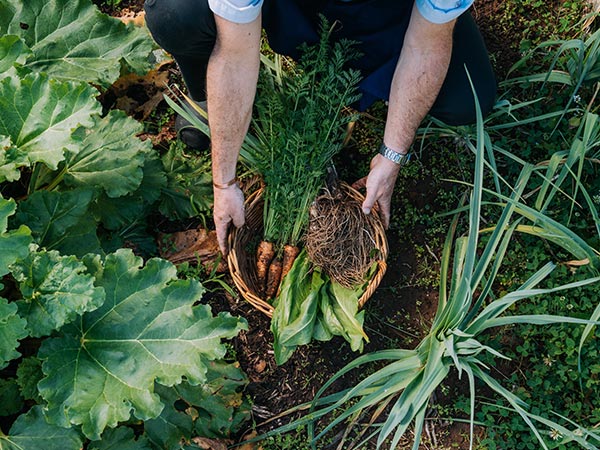
    vegetables in a basket at Bells Garden at Bells At Killcare
    From picking your own, to farm-to-table, discover the best Central Coast food experiences. (Image: Remy Brand)

    Central Coast oyster experiences

    From humble grub to opulent delicacy, oysters have ascended into a league of their own. Epicureans are fascinated by them – willing to pay upwards of $35 per dozen (double at some of Sydney’s reputable fine dining restaurants) – and ‘shuck bars’ seem to be popping up at every milestone celebration.

    But it’s rare to find places that really draw back the curtain on how they’re farmed and why everyone is mad for these molluscs. The Central Coast, however, is home to several of these venues. With its pristine waters, mild climate and nutrient-rich estuaries, it’s the perfect breeding ground for oysters.

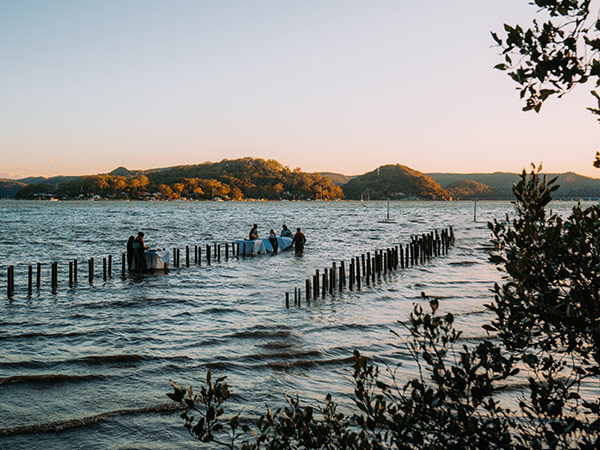
    Learn about oyster farming and, importantly, how to shuck them at Sydney Oyster Farm Tours. Nestled on the Hawkesbury River at Mooney Mooney, Sheridan Beaumont and her team offer a hands-on foodie experience where you can feast on dozens of oysters (white tablecloth and all) while wading through the calm waters. You can even bring your own bottle of bubbles to wash them down.

    guests in the water for an experience at Sydney Oyster Farm - Central Coast food
    Learn tricks of the trade at Sydney Oyster Farm Tours. (Image: Remy Brand)

    Elevate your oyster knowledge even further by heading north over the Hawkesbury River Bridge to the Hawkesbury River Oyster Shed. Tour their scenic oyster leases and saltwater paddocks by boat to uncover the distinct characteristics of the Sydney rock oyster and creamy Pacific oyster. They’ve also partnered with Broken Bay Pearl Farm to offer a one-of-a-kind oyster and pearl farming guided tour, showcasing the Central Coast’s very own pearl oyster, the Broken Bay ‘Akoya’. But if you’re simply in the mood to devour a dozen delectable oysters while soaking in the tranquil river views, pull up a chair at the shed. It’s friendly in every sense of the word: pets, families and BYO welcome.

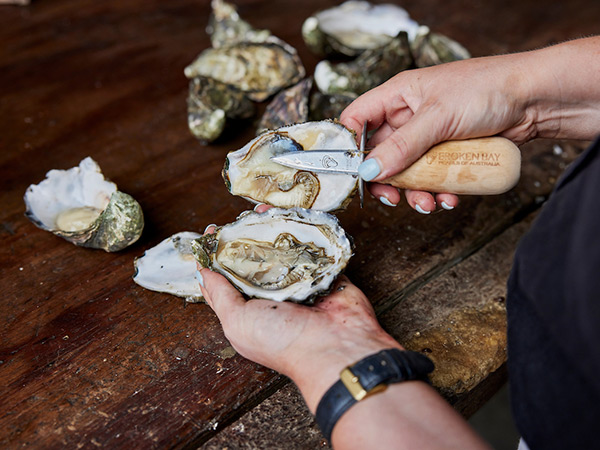
    shucking oysters at Broken Bay Pearl Farm
    Taste freshly shucked oysters at Broken Bay Pearl Farm. (Image: James Horan)

    Central Coast farms to pick your own fruit

    While the Central Coast is known for its breathtaking 40 beaches and 80-kilometre coastline, its lush hinterland is equally impressive – abundant with orchards and agriculturally rich farmland. And when it comes to the simple joy of picking your own fruit, the Central Coast is a ripe playground.

    Family-owned Meliora Farm at Peats Ridge is an orchard that blends conventional, biodynamic and organic philosophies. Third-generation farmer Tim Kemp and his wife Elise are dedicated to honouring the family legacy by growing a rich variety of oranges, lemons, limes, mandarins and avocados. In late May, roam the sustainable and nutrient-dense property during ‘Pick Your Own’ weekends.

    Eastcoast Beverages is another bountiful citrus orchard boasting over 60 hectares of fruit. From June you can learn about the cultivation of high-quality ingredients – like lemons, limes, grapefruit and oranges – by touring both the farm and factory before setting out and picking your own straight from the source. You can also sample an array of citrus-inspired sweet and savoury treats at their on-site cafe, Bambino’s.

    If it’s just juicy oranges you’re after, Cedar Farm in Dooralong is a must-visit. Located about 30 minutes north of Peats Ridge, it features 15 flourishing orchards and over 3000 orange trees – with take-home bags during the season (from July) at low prices. Not bad for a fruity weekend haul.

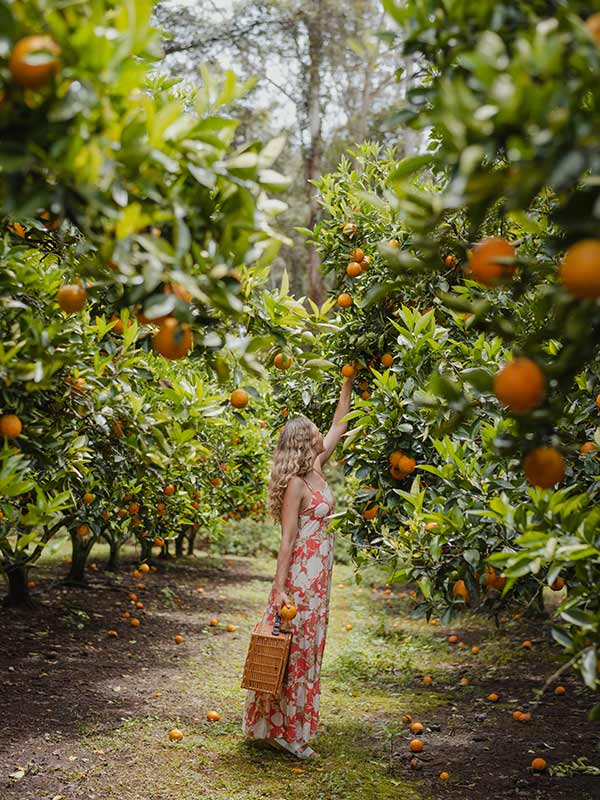
    woman picking oranges at Oranges at Dooralong
    Pick your own citrus fruits on the Central Coast. (Image: James Vodicka)

    Organic dining

    What makes the Central Coast hinterland so special is the unwavering respect the communities have for their cherished backyard. Locally owned and operated farms are all striving for more sustainable practices and methods to both enhance biodiversity and reduce environmental impact, each with a heartwarming food philosophy.

    The Food Farm in Wyong Creek believes good food is worth both the work and the wait. Devoted to regenerative farming, first-generation ‘farmily’ Tim Eyes and Hannah Greenshields are recognised for their grass-fed, grass-finished beef and pasture-raised, gold medal-winning chickens. With an open gate policy, The Food Farm encourages visitors to swing by and try some of their slow-grown produce at their small ‘honesty’ farm shop. With no staff, you can pick up a few quality cuts of meat and pasteurised eggs, leaving the owing amount in cash or via eftpos.

    Keeping the spirit of generational organic farming alive is Fanelli Organics. Nestled in the Central Coast’s scenic and sleepy Mangrove Mountain, founders Eden and Louise Fanelli own over 45 hectares of plentiful farmland and orchards that produce a huge range of organic fruit and vegetables, like purple Dutch carrots, blood oranges, broccoli and Tuscan kale. A true home-grown operation, Fanelli Organics shares its fresh produce with local restaurants and community markets, including the beloved markets at Like Minds Cafe at Avoca Beach every Wednesday afternoon.

    farmers holding fresh produce picked at Fanelli Organics
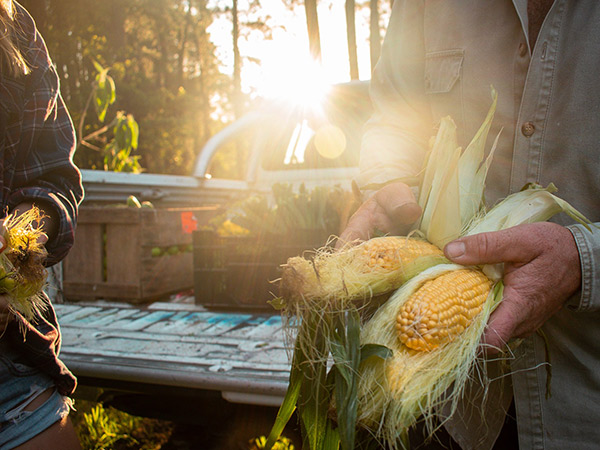
    See where your food comes from at Fanelli Organics.

    Paddock-to-plate dining

    High-quality ingredients go hand in hand with premium dining, and the Central Coast is home to several paddock-to-plate restaurants that showcase its diverse and rich agriculture. Paired with warm, grassroots hospitality, there are culinary triumphs, new menus and revered chefs constantly popping up, putting the local dining scene firmly on the map.

    Award-winning Mount White restaurant Saddles is a quintessential Australian dining destination, dedicated to country-style cooking and seasonal produce. Nestled in thick bushland with wraparound verandahs, floral gardens and an idyllic dam, the gourmet homestead and bakehouse is unlike any restaurant on the Central Coast. Here, head chef Reece Collins and his team serve up an impressive breakfast and lunch menu that oozes rustic charm. Pull up a comfy armchair on the expansive deck, listen to birdsong, and tuck into flavoursome dishes like the farmhouse Benedict with honey-cured ham, lemon myrtle hollandaise and Warrigal gremolata, or the hearty beef brisket pie with confit garlic potato purée and rainbow chard.

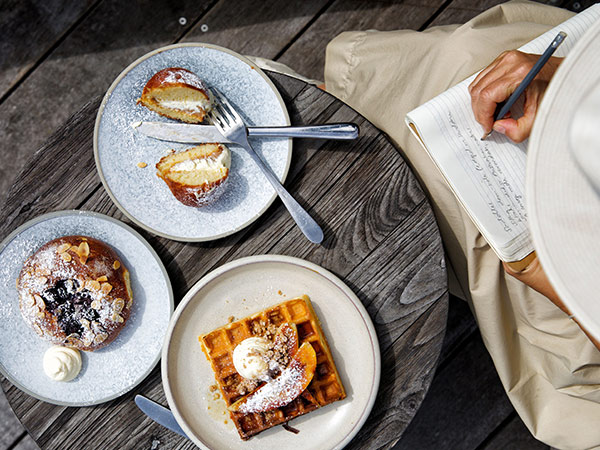
    woman writing in notebook next to a table of food at Saddles, Central Coast food
    Taste country-style cooking at Saddles. (Image: Destination NSW)

    Delivering a slice of sophistication and luxury to the shores and bushland of Bouddi Peninsula is Bells at Killcare. One of the few boutique resorts on the Central Coast, it’s known for its premium service and five-star suites, as well as its bountiful kitchen gardens that boast an orchard, olive trees, avocado trees, free-range hens and a honey bee hive.

    Cameron Cansdell has returned to Bells at Killcare as head chef, bringing his expertise to the casual yet refined menus that feature a raw bar with Oscietra caviar, freshly shucked Sydney rock oysters and Moreton Bay bugs, all served alongside optional matched wines. Sample some of Australia’s best regional wines and standout dishes, like roasted Wollemi duck with grilled leeks, rocket, grilled grapes and 10-year-aged balsamic, or the shareworthy salt-crusted snapper with herb salad and salsa, before roaming the picturesque gardens, wine in hand.

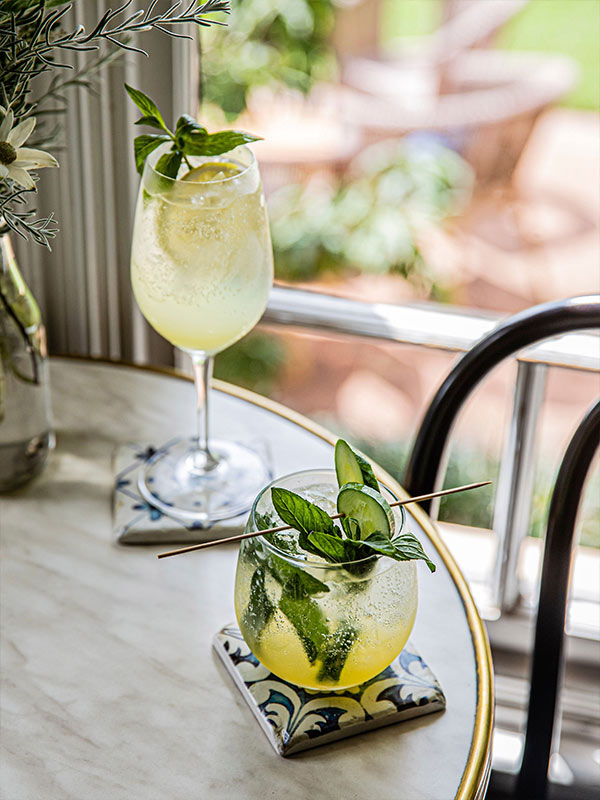
    cocktail at Bells At Killcare
    Sample incredible wine, cocktails and dishes at Bells At Killcare. (Image: Nikki To)

    Plan your next visit to the delicious Central Coast.

    The truth about shark diving